Beyond the Toll: How to Compare Toll Agencies
Industry metrics show the Pennsylvania Turnpike’s passenger toll rates remain below the national average, with overall rates ranking in the middle. We are proud of that record, especially given the size, age and complexity of our system.
But we also recognize that no two toll roads are the same.
Comparing toll rates side by side may seem straightforward, but the price alone does not tell the full story. Toll agencies across the country operate under vastly different circumstances, with different responsibilities, infrastructure, services, traffic volumes, operations and financial obligations that result in differing levels of value to the customer.
A meaningful comparison requires looking beyond what a driver pays and considering what each agency is responsible for delivering.
Different Agencies, Different Structures
Across the U.S., toll agencies operate under a variety of governance models, including:
- State‑run systems
- County or regional authorities
- Joint Powers Agencies
- Privately operated systems under lease agreements
- Independent or quasi‑governmental authorities like the Pennsylvania Turnpike Commission
Each model comes with a different approach to funding, oversight and responsibility.
The Pennsylvania Turnpike Commission finances its own operations, maintains its own roadway and manages its own capital program. It does not receive state or federal tax dollars for operations or maintenance. Instead, toll revenues support the system and services customers depend on every day. More than 500,000 drivers choose the PA Turnpike daily.
A Large Network of Roadway
The Pennsylvania Turnpike extends more than 565 miles across the Commonwealth. That means more roadway to inspect, patrol, plow, maintain, rebuild and modernize.
The age of the system adds another layer of complexity. As the nation’s oldest major toll road, the Commission must maintain existing infrastructure while replacing or modernizing assets that have served travelers for generations – and was built for a drastically different type of traffic.
Beyond the age, geography and weather also impact the Pennsylvania Turnpike’s infrastructure. As a major mid-Atlantic transportation corridor, the Pennsylvania Turnpike experiences repeated freeze-thaw cycles each winter that accelerate wear and tear. Combined with growing commercial traffic on the Pennsylvania Turnpike, these conditions require more frequent maintenance than many other toll facilities.
Beyond maintaining its infrastructure, the Commission operates a transportation network that supports passenger travel, freight movement, emergency response and national commerce.
Bridges and Tunnels Increase Costs
The type of infrastructure an agency maintains also has a major effect on cost.
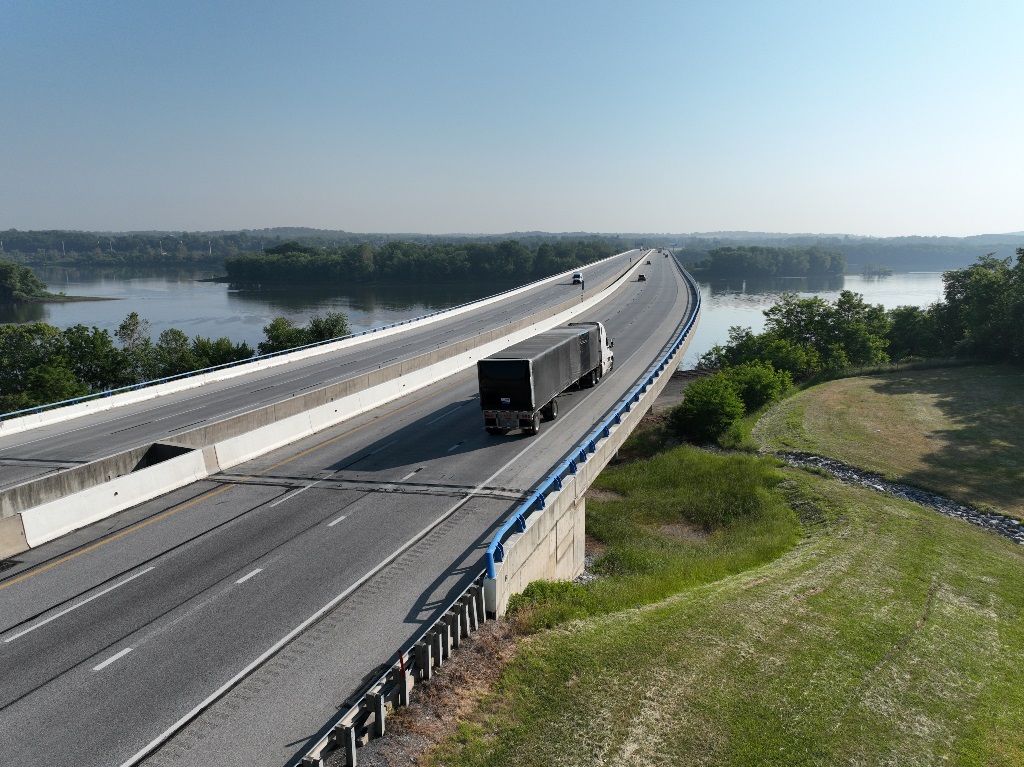
Traditional roadway projects generally require less investment than major bridge structures, while tunnels are among the most complex and expensive facilities to construct, operate and maintain. The Pennsylvania Turnpike Commission operates 12 major bridges, five tunnels and many interchanges, ramps and interchange bridges.
Costs can vary widely based on geology, materials, environmental conditions, design requirements and construction constraints. Those expenses also continue after construction through routine inspections, maintenance, staffing and system upgrades.
The Pennsylvania Turnpike is one of the few agencies that maintain roadways, major bridges and tunnels across challenging terrain. Comparing its costs with those of an agency that does not operate the same mix of infrastructure does not provide a complete or accurate picture.
What Toll Dollars Pay For
Pennsylvania Turnpike toll revenue supports much more than roadway construction and maintenance. It also funds:
- 24/7 roadside assistance
- A dedicated maintenance workforce
- Snow and ice removal across the system
- Seventeen service plazas
- A dedicated Pennsylvania State Police Troop
- A customer service center
- An in‑house dispatch center
- Partnerships with EMS, fire, and towing providers for rapid incident response
These services help keep the PA Turnpike safe. The Commission respond to crashes, disabled vehicles, severe weather and other incidents around the clock.
This service model is fundamentally different from an agency responsible for a limited-access bridge, a short corridor or a set of express lanes.
Debt, Financing, and Act 44
Transportation infrastructure is expensive, and toll agencies commonly issue bonds to fund major construction and modernization projects. The Pennsylvania Turnpike, however, also carries a financial obligation unlike that of any other toll road in the nation.
Under Act 44 of 2007, the Commission was required to provide billions of dollars for statewide transportation programs outside the Turnpike system. To date, the Commission has paid the Commonwealth $8.1 billion for Act 44.
Meeting the Act 44 funding requirements required the Commission to borrow far more than it otherwise would have to support its own capital program. While the Commission is no longer issuing new debt for Act 44, repaying those bonds remains a significant long-term obligation. Today, Act 44-related debt service totals about $460 million annually and is projected to approach $600 million a year by 2038.
That escalating debt service is a primary reason annual toll increases remain necessary as the Commission continues to invest in the safety, maintenance and modernization of the Pennsylvania Turnpike.
No other toll agency in the country has been required to assume a comparable legislative funding mandate.
Why People Choose the Pennsylvania Turnpike
Pennsylvania has more than 120,000 miles of public roadway, and the Pennsylvania Turnpike represents only a small fraction of the state’s overall road network. In many cases, customers have access to non-tolled alternatives.
Drivers continue to choose the Pennsylvania Turnpike because it provides:
- A direct connection to major regional and national corridors
- Consistent roadway conditions
- Reliable travel times
- Dedicated safety and emergency-response services
- A well-maintained route for passenger and commercial travel
Customers are not simply paying for access to a roadway. They are choosing a travel route designed to provide safe, reliable and predictable travel across Pennsylvania.
Frequently Asked Questions
Why are PA Turnpike tolls higher than some other toll roads?
The PA Turnpike maintains 565+ miles of aging infrastructure, including major bridges and tunnels, funds its own operations without tax dollars, and carries Act 44 debt obligations no other U.S. toll agency has.
What do PA Turnpike tolls pay for?
Tolls fund roadway maintenance, 24/7 roadside assistance, snow removal, 17 service plazas, a dedicated State Police troop, and around-the-clock incident response.
Does the PA Turnpike receive state or federal tax dollars?
No. The Commission funds operations, maintenance, and its capital program entirely through toll revenue.
What is Act 44?
A 2007 Pennsylvania law requiring the Commission to provide billions for statewide transportation programs outside the PA Turnpike. Repaying that debt now costs about $460 million a year.
Why do PA Turnpike toll rates increase every year?
Escalating Act 44 debt service, projected to near $600 million annually by 2038, plus ongoing investment in safety, maintenance, and modernization.