Top Things to Know About the PA Turnpike
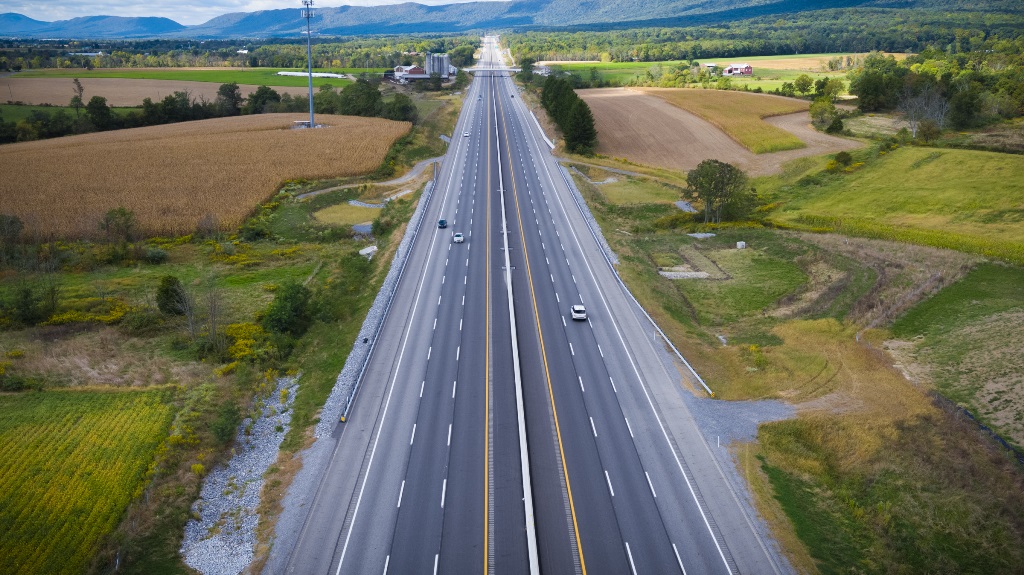
The Pennsylvania Turnpike is more than just a roadway — it’s one of the most important pieces of transportation infrastructure in the Commonwealth. From its historic roots to its modern innovations, the PA Turnpike continues to evolve to meet the needs of its customers.
Here are the top things you may not know about the PA Turnpike.
The PA Turnpike is the Second-Largest Tolling Agency in Terms of Miles
With more than 565 miles of roadway, the PA Turnpike has more road to monitor, more snow and debris to clear, and more infrastructure to maintain and improve than many of our peer agencies. Each additional mile adds to our operational responsibilities, as we work to deliver a safe, reliable roadway for our customers.
The PA Turnpike Helped Shape America’s Highways
When it opened in 1940, the Pennsylvania Turnpike was hailed as an engineering marvel — the nation’s first superhighway. The Interstate Highway System, the nationwide network of high-speed roads designed to connect cities, states and regions across the United States, didn’t open until 1956, and when it did, it took numerous design and engineering cues from our roadway. The PA Turnpike’s initial 160 miles featured smoothed curves, reduced grades, standardized rights of way and lack of cross-traffic, which set the standard for what we call a “normal” travel experience.
The PA Turnpike is Not PennDOT
The PA Turnpike operates independently, with its own governance and funding. That’s different from states like Florida, Massachusetts and Ohio, where tolling agencies are part of their state’s Department of Transportation. While we partner closely with PennDOT, we manage our own operations and projects.
The PA Turnpike Does Not Receive Tax Dollars for its Operations
As a limited access highway, the Pennsylvania Turnpike does not receive state funding or tax dollars to maintain and operate our system. Instead, the PA Turnpike is funded by the people who use it. This user-funded model ensures the maintenance, safety and reliability of the PA Turnpike, as toll dollars go right back into our roadway, financing maintenance, construction and other operating costs.
Annual Toll Increases Fund Act 44 Imposed Debt—Not Our Operations
In 2007, Pennsylvania’s Legislature passed Act 44, using the PA Turnpike as a funding source for transportation projects across the state instead of raising taxes. Since then, the Commission has contributed $8.1 billion to support projects beyond the PA Turnpike system.
To meet these obligations, the Commission has taken on debt, with payments that increase over time. Annual toll adjustments help fund those payments. Before Act 44, tolls had only been raised five times in the PA Turnpike’s history.
The PA Turnpike is a Cashless System
After years of planning and early pilot programs, the PA Turnpike fully transitioned to cashless tolling in 2020. Originally scheduled for 2021, the shift was accelerated during the COVID-19 pandemic — bringing the system in line with industry standards and meeting growing customer expectations for faster, safer and more convenient travel.
Our E-ZPass Rates are Below the National Average
For a system our size, keeping tolls competitive matters. Despite being the second-largest tolling agency in the country and funding statewide beyond our system due to Act 44, The PA Turnpike’s toll rates remain on par with our peers. Based on 2025 costs, the PA Turnpike’s E-ZPass passenger per-mile rates are below the national average of other toll roads, bridges and tunnels in the United States. We’ve been able to maintain competitive rates through controlled spending, efficient debt management and innovation.
Not Having an E-ZPass Costs You More
If you travel the PA Turnpike without an E-ZPass, you’ll receive a Toll By Plate invoice. This system uses roadway cameras to capture your license plate, but the added processing fees make it a more expensive option for travelers. That’s why most drivers choose E-ZPass — saving up to 50% on tolls. In fact, more than 85% of customers take advantage of those savings.
Our Service Plazas Operate Independently of the PA Turnpike
While the PA Turnpike Commission owns the service plaza buildings, food and fuel operations are managed by private partners. 7-Eleven provides fuel, while Applegreen operates the dining options. These partners are responsible for day-to-day management, maintenance and customer experience at each location.
Frequently Asked Questions About the PA Turnpike
How is the PA Turnpike funded?
The Pennsylvania Turnpike does not receive state funding or tax dollars to maintain and operate our system. Instead, the PA Turnpike is funded by the people who use it. This user-funded model ensures the maintenance, safety and reliability of the PA Turnpike, as toll dollars go right back into our roadway, financing maintenance, construction and other operating costs.
Why does the PA Turnpike increase tolls each year?
Annual toll adjustments help fund financial obligations established under Act 44 of 2007. The PA Turnpike has contributed more than $8 billion to support transportation projects across Pennsylvania, which has required borrowing and ongoing debt payments.
What is E-ZPass and how does it save money?
E-ZPass makes driving the PA Turnpike even easier and more convenient. Just mount your transponder in your vehicle under the rearview mirror and your tolls are automatically processed, calculated and deducted from your prepaid account—no stopping, no waiting, no hassle. E-ZPass customers save up to 50% on tolls.
What happens if I don’t have E-ZPass?
If you travel the PA Turnpike without an E-ZPass, you’ll receive a Toll By Plate invoice. This system uses roadway cameras to capture your license plate, but the added processing fees make it a more expensive option for travelers.
Is the PA Turnpike cashless?
Yes. The Pennsylvania Turnpike transitioned to a fully cashless tolling system in 2020. This allows for faster, safer and more convenient travel without stopping at toll booths.
How do the PA Turnpike’s rates compare to other toll roads?
Despite being the second-largest tolling system in the U.S., the PA Turnpike maintains competitive rates. E-ZPass passenger per-mile rates are below the national average for toll roads, bridges and tunnels.
Is the PA Turnpike part of PennDOT?
No. The Pennsylvania Turnpike Commission operates independently, with its own governance and funding structure. While it partners with PennDOT, it manages its own operations and projects.
Who operates PA Turnpike service plazas?
While the PA Turnpike Commission owns the service plaza facilities, food and fuel services are operated by private partners. 7-Eleven provides fuel, and Applegreen manages dining and day-to-day operations.
When did the Pennsylvania Turnpike open?
The PA Turnpike opened in 1940 as the nation’s first superhighway and helped shape the design of today’s Interstate Highway System.